We run a villa in Canacona year-round. We see South Goa in every season — the golden October afternoons, the chaotic Christmas week, the eerie quiet of July when the whole coastline turns green. This is not a tourist board guide. This is what we actually tell our guests.

South Goa's quieter beaches — best experienced in October, November or February
The Seasons of South Goa
South Goa has three distinct seasons — and none of them is simply "good" or "bad." Understanding what each one actually feels like will help you pick the right time for your trip, not just the most popular one.
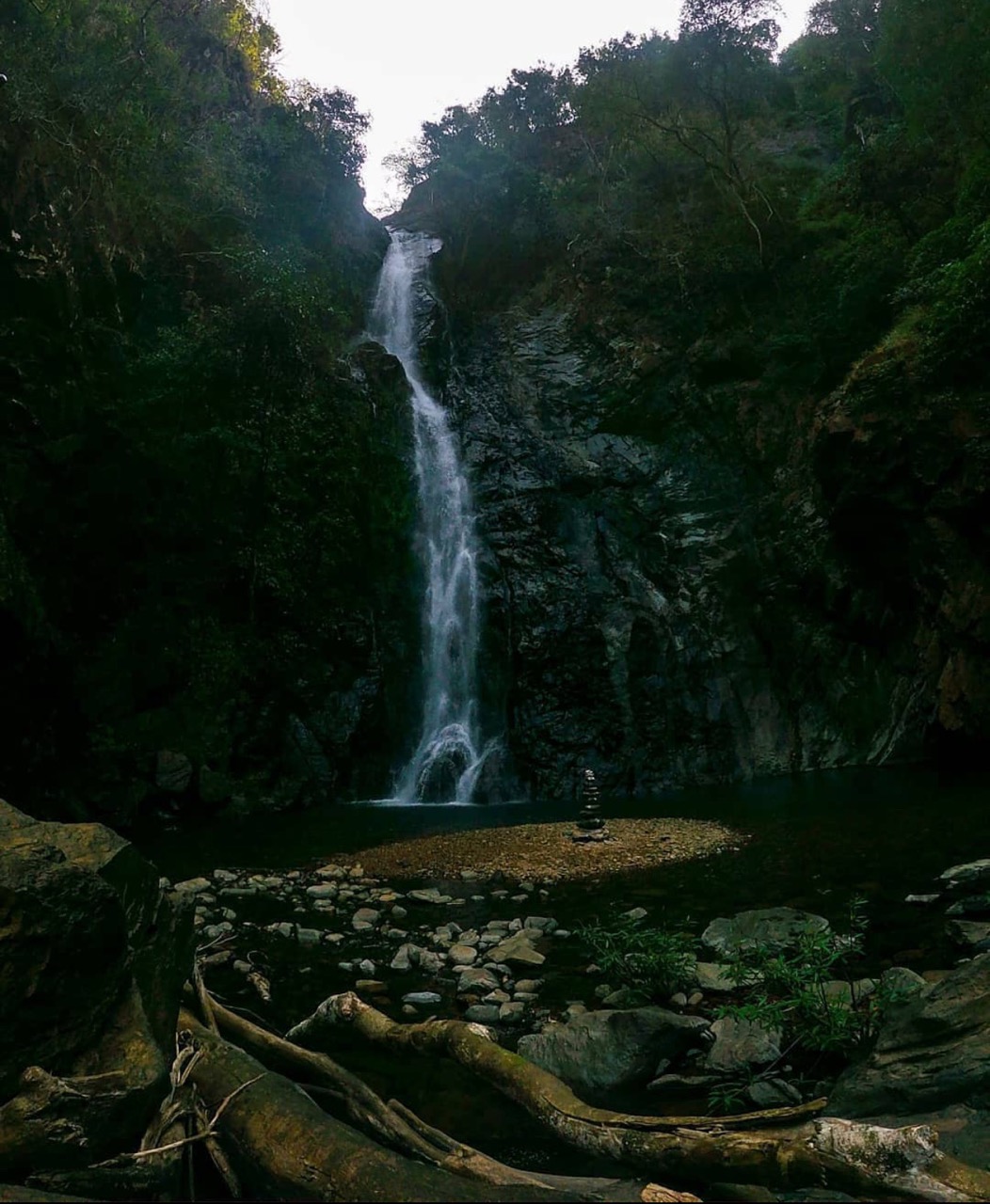
Monsoon Goa — extraordinary green, but most shacks and activities close June–September

October is our personal favourite month at NIVRRITII. The monsoon is ending, the countryside is insanely green, and the beach shacks are just reopening with refreshed energy. Prices are 20–30% lower than peak. The sea is still slightly rough in early October but settles beautifully by the third week.

November is the insider's month. Everything is open, the weather is perfect, the sea is calm and clear — and the Christmas crowds haven't arrived yet. Prices are still reasonable. Turtle nesting begins at Agonda and Galgibaga. If you can only come once, come in November.

December is peak Goa. The weather is genuinely perfect — warm days, cool evenings, zero humidity. The energy is electric, especially around Christmas and New Year. South Goa stays more relaxed than North Goa. NIVRRITII books out weeks ahead in December. Book at least 6–8 weeks in advance.

January is the most reliably perfect weather month in South Goa. Slightly cooler than December. The post-NYE rush thins slightly after the first week. Goa Carnival happens in February so January sees a lot of advance bookings spilling over. International tourists are at their peak.

February is underrated. The weather is still perfect, crowds thin compared to December–January, and Goa Carnival takes place — a 4-day explosion of Portuguese-heritage parades, music and colour. The Margao float parade (30 km from the villa) is one of the most spectacular things in India and completely free. Turtle hatchlings emerge at Agonda in February.

March sees the tail end of peak season. It's warmer and more humid than January–February but still very good beach weather. Shacks begin winding down by late March. Holi is celebrated beautifully across Goa — Palolem beach on Holi is electric. Prices drop noticeably from mid-March.
Most beach shacks close by May. The heat is intense — 33°C+ with high humidity. The sea gets rougher with pre-monsoon swells. The landscape is parched and golden. Many restaurants and guesthouses close entirely. NIVRRITII stays open with a quiet, retreatlike atmosphere. Prices drop to their lowest. Some guests love this raw, empty Goa.
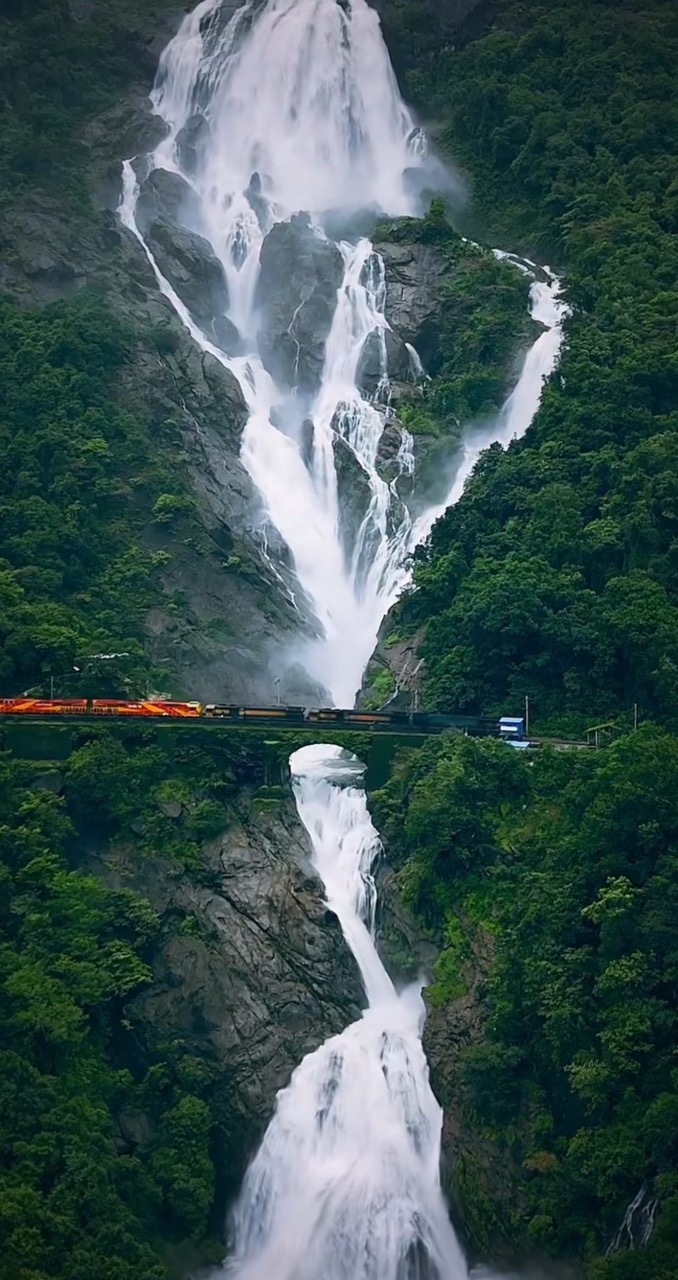
Monsoon Goa is wild and beautiful — and almost nothing is open for tourists. The coastline transforms into a lush, dripping jungle. Most beach shacks, water sports and tourist activities close completely. The sea is dangerous. But the rivers are full, the countryside is extraordinary and the rain itself is an experience unlike anything in South Goa's dry season. July and August are the heaviest — September starts to ease.

Peak season (December–January) — best weather, most energy, highest prices
Our Honest Recommendation
If you ask us directly: come in November or February. The weather is identical to December–January, the beaches are less crowded, the prices are better, and you still get everything South Goa is famous for. December and January are brilliant — just more expensive and busier. March is underrated. October is magical if you don't mind the tail end of the monsoon.
Avoid May and June unless you specifically want monsoon Goa — which is beautiful in its own way, but a completely different experience. Nothing is what you imagined when you booked.