Most people know about Goa Carnival. Few know about Shigmo, Sao Joao, the Feast of St Francis Xavier or the extraordinary turtle nesting season. This is the real Goa festival calendar — the one we give guests who want their trip to mean something beyond the beach.
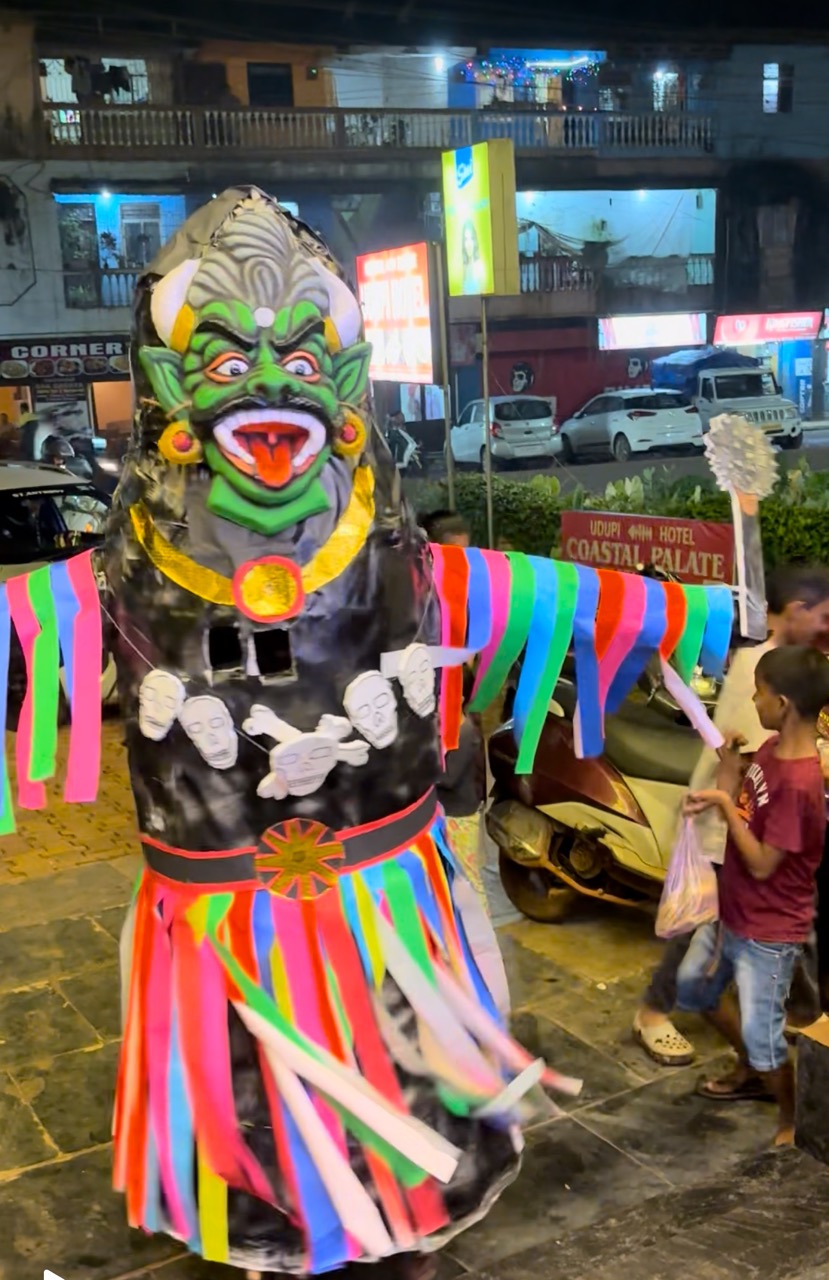
Diwali in Goa is quieter than North India but genuinely beautiful — the village lanes around Canacona fill with oil lamps and small fireworks. Palolem and Agonda cafés do special dinners. A lovely coincidence if your trip overlaps with it, but not worth planning your entire visit around.

Not a human festival — but easily the most extraordinary natural event near NIVRRITII. Olive ridley sea turtles come ashore at night to nest at Agonda and Galgibaga beaches, and hatchlings emerge from January onwards. Witnessing either event — completely free, completely wild — is unlike anything else in Goa. We can arrange early morning walks to spot hatchlings heading to sea at dawn.
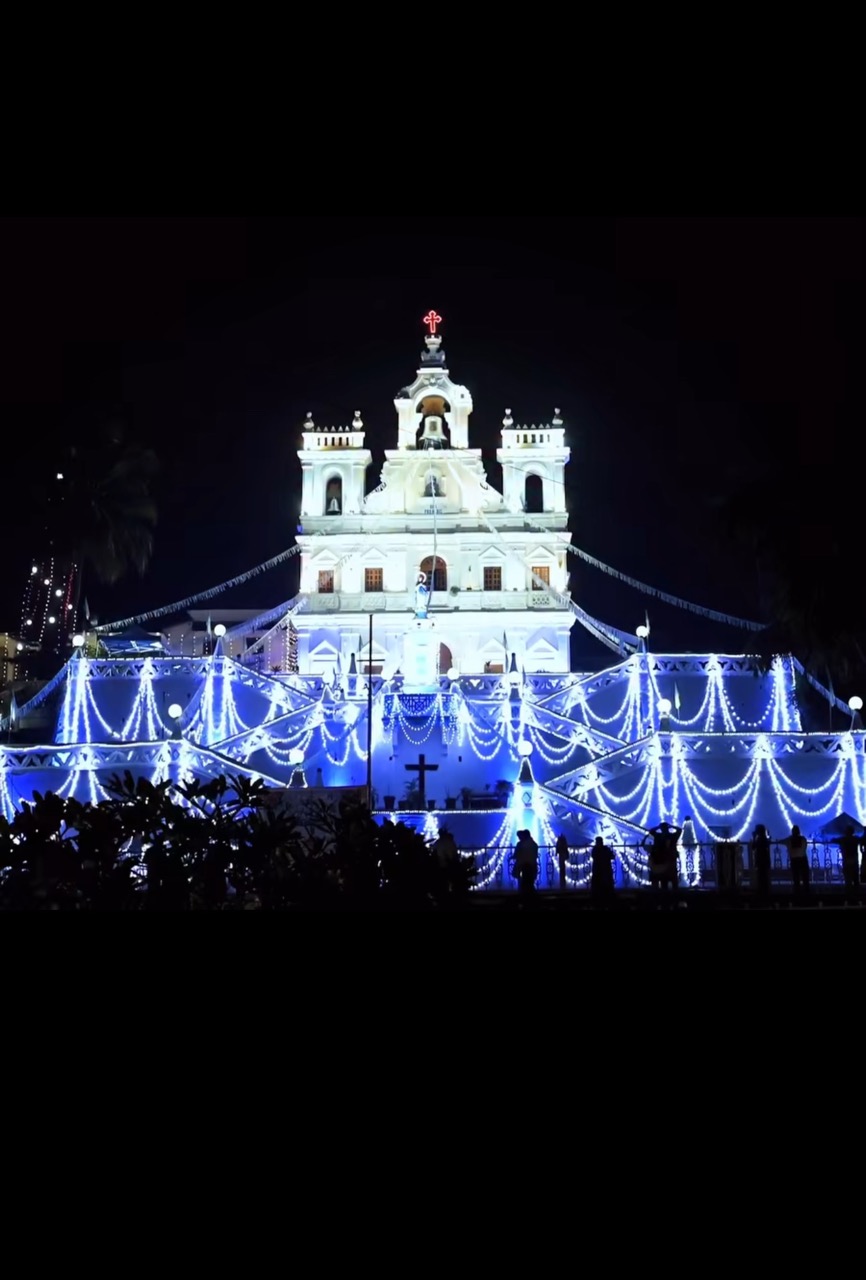
Goa's Portuguese-Catholic heritage makes Christmas genuinely special — midnight mass at the old Goa churches, carol singing on Palolem beach, candlelit dinners everywhere. New Year is full beach party mode. It's the most energetic week of the year in South Goa and also the most expensive and crowded. Book NIVRRITII at least 8 weeks in advance if you want this week.
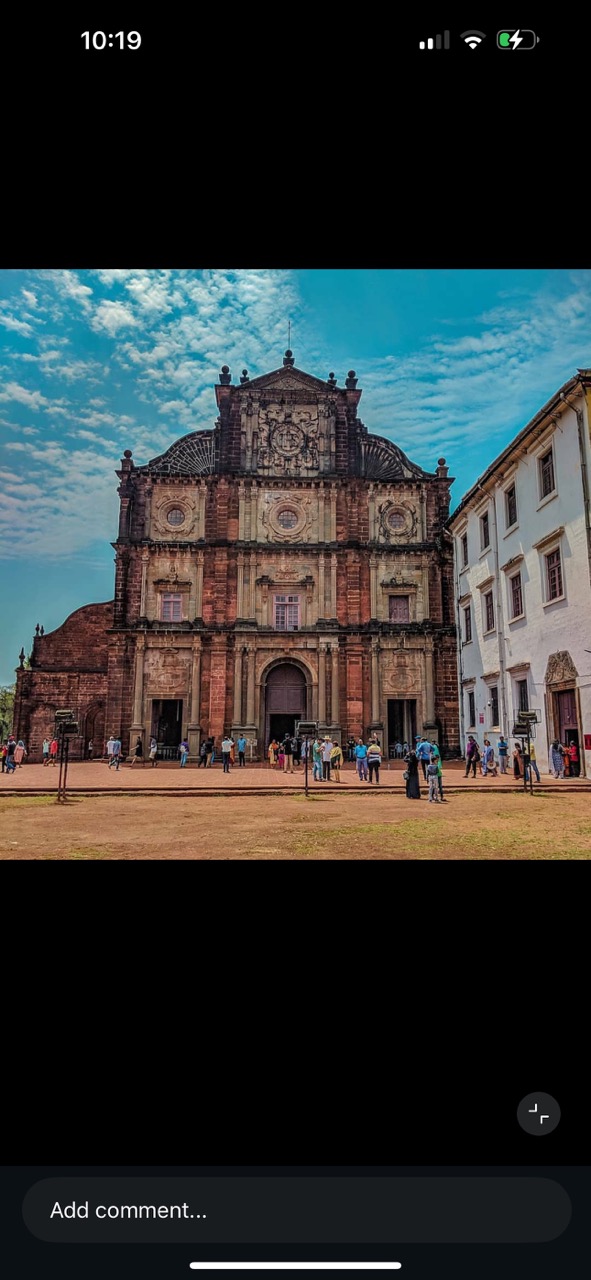
One of the largest Catholic pilgrimages in Asia — hundreds of thousands visit the Basilica of Bom Jesus in Old Goa (65 km north) to venerate the relics of St Francis Xavier. The atmosphere outside the basilica — food stalls, candles, music, devotion — is extraordinary even if you're not religious. A day trip from NIVRRITII well worth making.
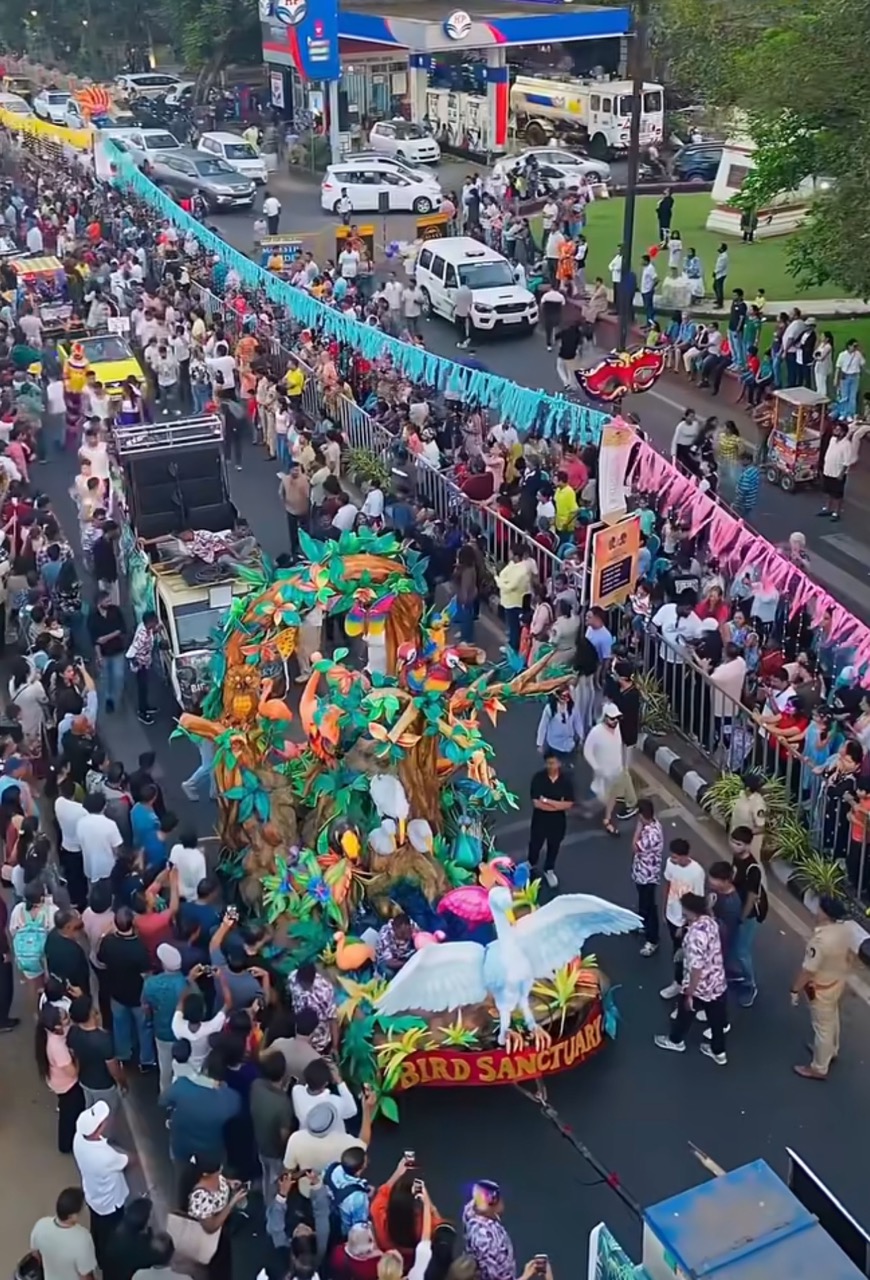
Portugal left Goa in 1961 but the carnival never stopped. Four days of colourful float parades, street music, dance troupes and costumed performers across Panaji, Margao, Mapusa and Vasco. The Margao float parade (30 km from the villa) is the most spectacular — come for the evening parade, stay for the street food and music that follow. Entirely free to watch. One of the most joyful events in all of India.
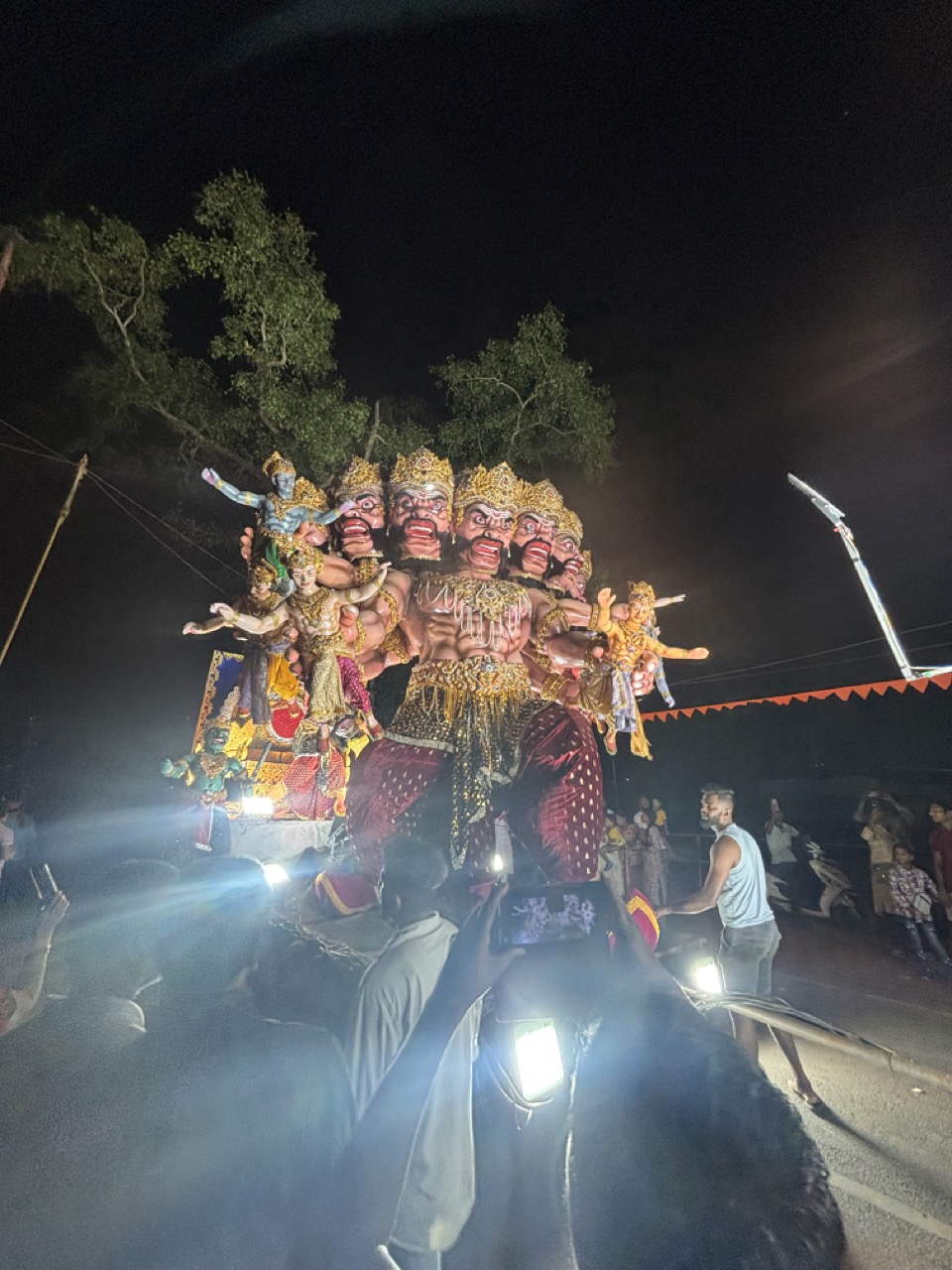
Shigmo is Goa's own spring festival — a Hindu celebration predating the Portuguese era, with village processions, traditional Goan folk dance (Fugdi, Dhalo), and floats carrying deities through the lanes. It runs alongside Holi, when Palolem beach becomes a riot of colour powder and music. Less known internationally than Carnival but more authentically Goan.
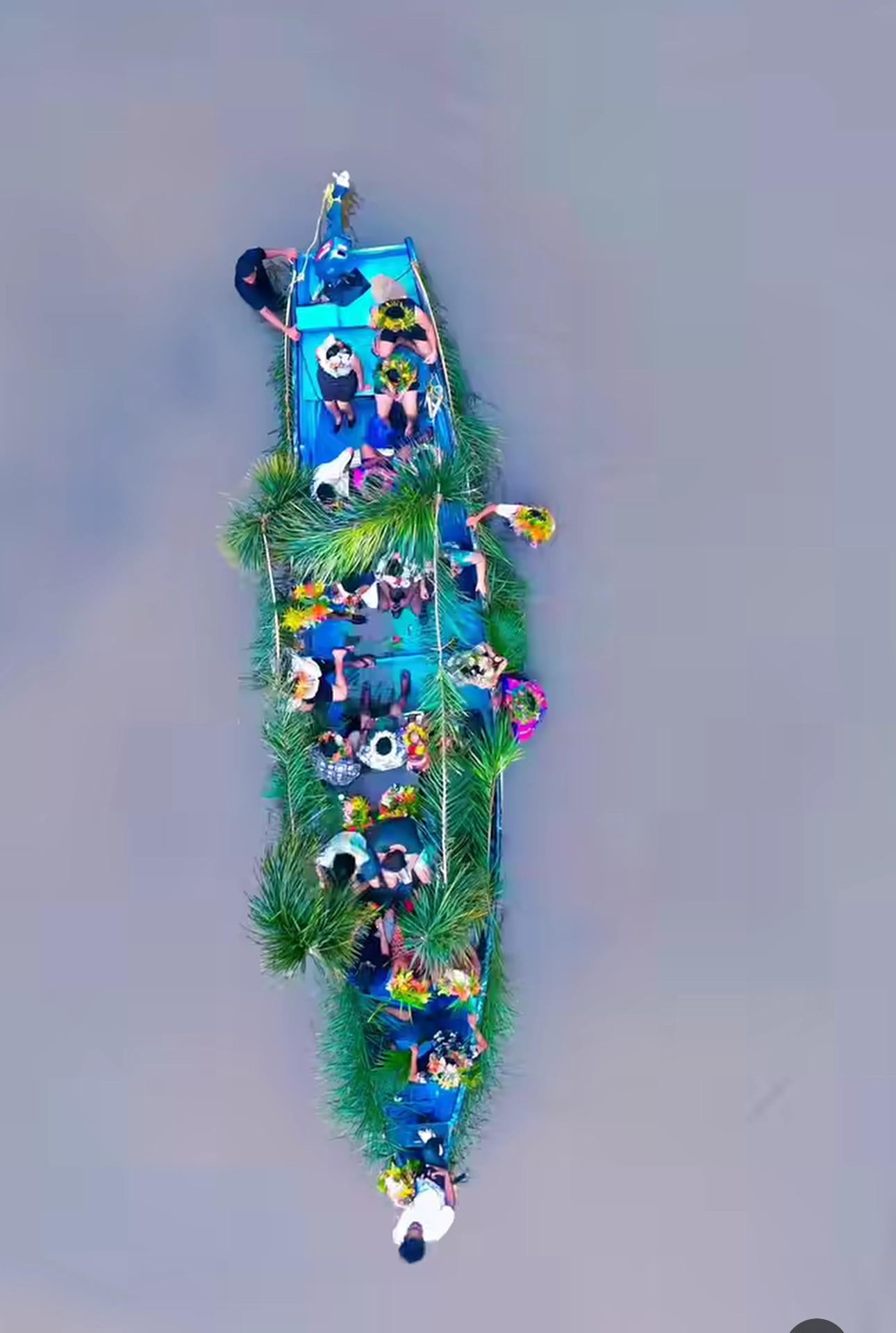
The strangest and most uniquely Goan festival — celebrated in the middle of monsoon when wells overflow and young men jump into them singing. Originally marking the feast of St John the Baptist, it evolved into a distinctly Goan celebration of the rains. Villages near Canacona celebrate with music, feni (Goan cashew liquor) and communal jumping into flooded fields and wells. Highly local, rarely seen by tourists — our caretaker can take you if you're here in June.
Which Festival is Worth Planning Your Trip Around?
If you can only pick one: Goa Carnival in February. It's free, it's extraordinary, the weather is perfect and it doesn't inflate accommodation prices as much as Christmas. The Margao float parade is one of the most spectacular things we've ever seen — and we watch it every year.
Second choice: turtle hatchling season in January–February. Walking to Agonda at 5:30am to watch hatchlings make their first journey to the sea is the kind of experience people remember for decades. It costs nothing and almost no tourists do it.
Third: Shigmo and Holi in March — the shoulder season is quieter, cheaper, and the colour festival on Palolem beach is genuinely electric.