Most people avoid Goa in monsoon. That's exactly why it's worth considering. From June to September, the tourist crowds vanish, prices drop to their lowest, and the landscape transforms into something extraordinary — lush, dramatic and unlike anything you'd see in peak season. But you need to know what you're walking into.
The Waterfalls
This is what monsoon Goa is actually for. Waterfalls that barely exist in summer become thundering curtains of white water. Most are within a 2-hour drive of NIVRRITII.
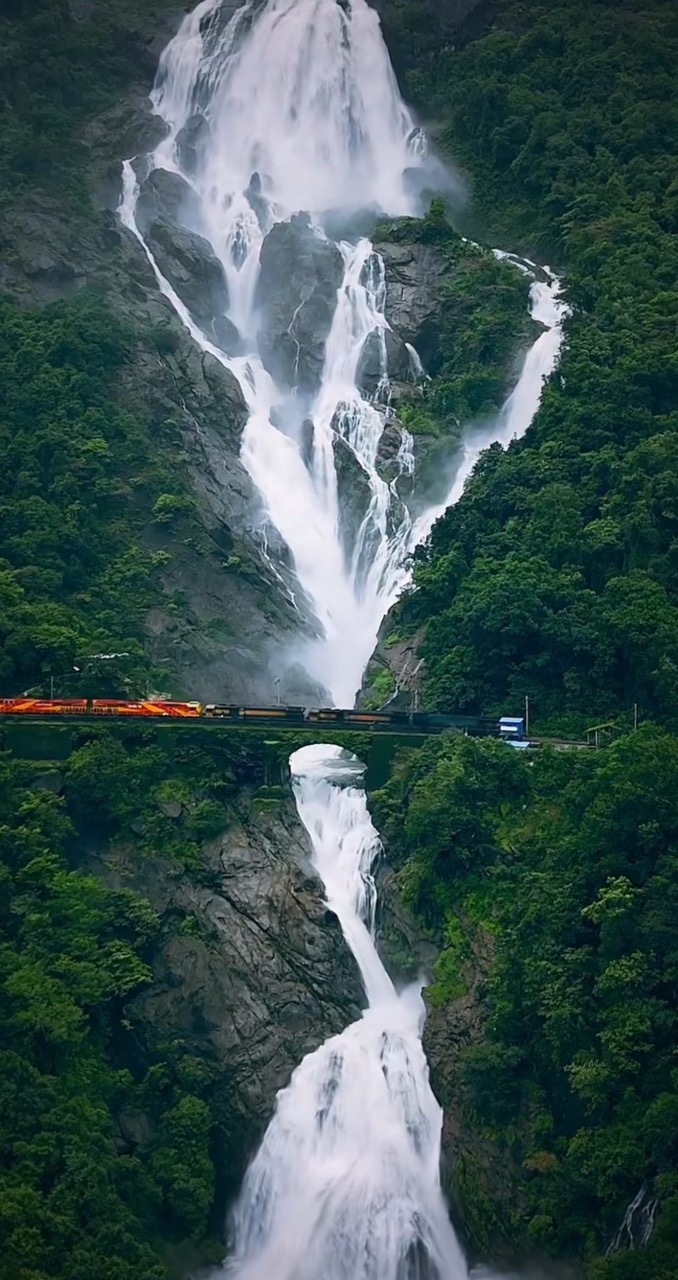
Dudhsagar Falls — best seen July to September when rainfall is at its peak
The "Sea of Milk" — four tiers of white water crashing 310 metres down the Western Ghats. During peak rains, the falls are absolutely thunderous. Jeep safaris from Mollem may be restricted when rainfall is heavy — the adventurous alternative is trekking via the railway tracks from Castle Rock, a full-day experience that rewards with the falls completely to yourself.
Two distinct waterfall experiences within the same sanctuary. Savari is the more accessible of the two — a moderate trek with 320 steps leading down to a pristine jungle pool, perfect for a half-day outing. Mainapi is a serious 4.5 km jungle hike through dense forest — rewarding for those who want genuine wilderness with almost no other visitors.
The easiest waterfall in South Goa to visit — located right off the road in Gaodongrem, no trekking required. The falls are genuinely beautiful in the rains and make an effortless photography stop. If you have young children or older family members, this is the monsoon waterfall for you.
Tucked inside Cotigao Wildlife Sanctuary — one of the most beautiful settings of any waterfall in South Goa, framed by vivid green paddy fields and dense jungle. Best visited in July and August when the paddy is brightest. Combine with the sanctuary's treetop watchtower for a full-day outing from the villa.
The most atmospheric of South Goa's monsoon waterfalls. Start at the ancient 12th-century Mahadev Temple at Tambdi Surla — one of the oldest surviving temples in Goa — then follow the 90-minute jungle trek to the waterfall itself. The combination of history, mist and forest makes this unlike any other waterfall day trip.
Lakes & Scenic Water Bodies
Beyond the waterfalls, monsoon Goa has a handful of water experiences that exist nowhere else in India.
The Goa countryside in monsoon — 50 shades of green with waterfalls on every hillside
One of the most genuinely strange natural phenomena in Goa — a small freshwater pond where bubbles constantly rise from the bottom. The extraordinary part: the bubbling intensifies when you clap or make noise, appearing to respond to sound. Sacred to locals and surrounded by jungle, it's visited by very few tourists. Don't leave Goa without seeing this.
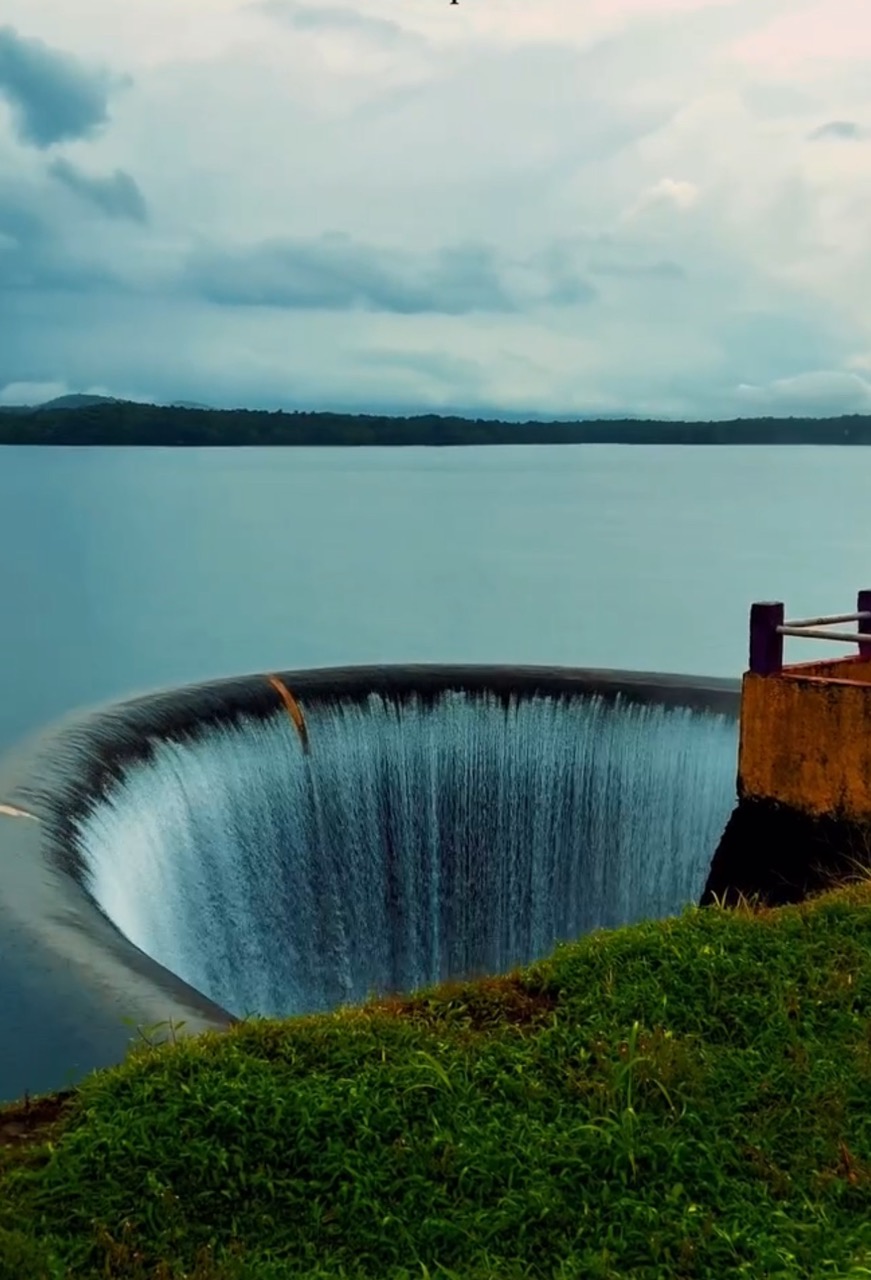
Salaulim Dam is worth visiting in monsoon for one reason: its famous Duckbill Spillway. When the dam overflows during heavy rains, water spirals into a funnel creating a surreal sinkhole effect — one of the most visually striking engineering phenomena in Goa. Only visible when the dam is at full capacity in peak monsoon.
While the ocean beaches become rough and unsafe for swimming in monsoon, Cola Beach's freshwater lagoon remains calm and strikingly emerald-green. A mountain creek meets the sea here behind a narrow sandbar — the lagoon stays warm, clear and swimmable even when the rest of the coast is wild. One of the best monsoon swimming spots near NIVRRITII.
Wildlife Sanctuaries in Monsoon
Goa's sanctuaries don't close for monsoon — and this is when they're most alive. Orchids bloom, butterflies multiply, streams run full and the forest is extraordinary.
Netravali is the most pristine and least-visited wilderness area in South Goa. In monsoon it becomes extraordinary — rare orchid species bloom that are impossible to see at any other time of year, giant Malabar squirrels are highly active, and leopards are occasionally spotted near the water sources. Combine with the Bubbling Lake and Savari waterfall for a full day in the sanctuary.
The closest major sanctuary to NIVRRITII and one of the most rewarding in any season. In monsoon the multi-layered forest canopy becomes dense and dramatic. The treetop watchtowers may be closed in very heavy rain for safety — check before visiting. Combine with Kuskem Waterfall inside the sanctuary for a full morning outing.
One of the most extraordinary natural experiences in all of Goa — and almost entirely unknown outside of locals. During the monsoon months, moisture-loving bioluminescent fungi colonise the forest floor and fallen wood, creating a natural glowing green light along the forest trail at night. No camera exposure tricks — it genuinely glows in the dark. This is a seasonal phenomenon that exists only in July and August when humidity is at its peak.
What's Open, What Closes
This is what the tourism brochures don't tell you. Be honest with yourself about what you want from Goa before booking a monsoon trip.
Who Should Come in Monsoon
It is absolutely for you if: you want complete solitude, you find waterfall trekking exciting, you work remotely and want somewhere beautiful and cheap with great WiFi, you're a photographer, or you simply want to see a side of India that most tourists never experience.
It is not for you if: you came for beach swimming, water sports, the full restaurant scene, or the social energy of peak Goa. Those things are largely unavailable June through August.